Founders
Juexiao Zhou
Shawn Afvari
Team
Xiaonan He, Liyuan Sun, Jiannan Xu, Xiuying Chen, Yuetan Chu, Longxi Zhou, Xingyu Liao, Bin Zhang & Xin Gao
The scientific foundation of DermAssure's models.
Founders
Team
Xiaonan He, Liyuan Sun, Jiannan Xu, Xiuying Chen, Yuetan Chu, Longxi Zhou, Xingyu Liao, Bin Zhang & Xin Gao
Status
Info
New publications will be added as they become available.
Product development
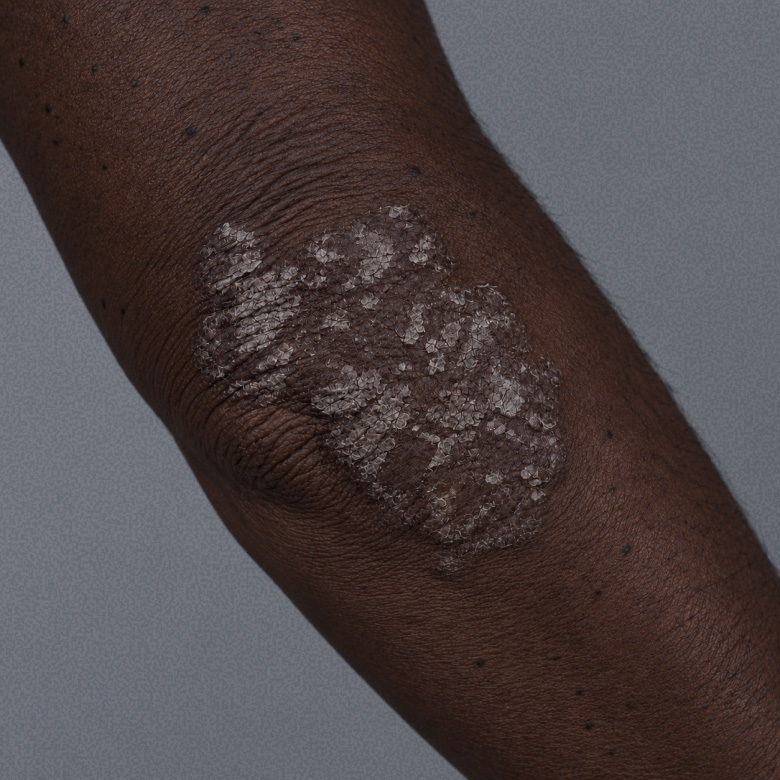
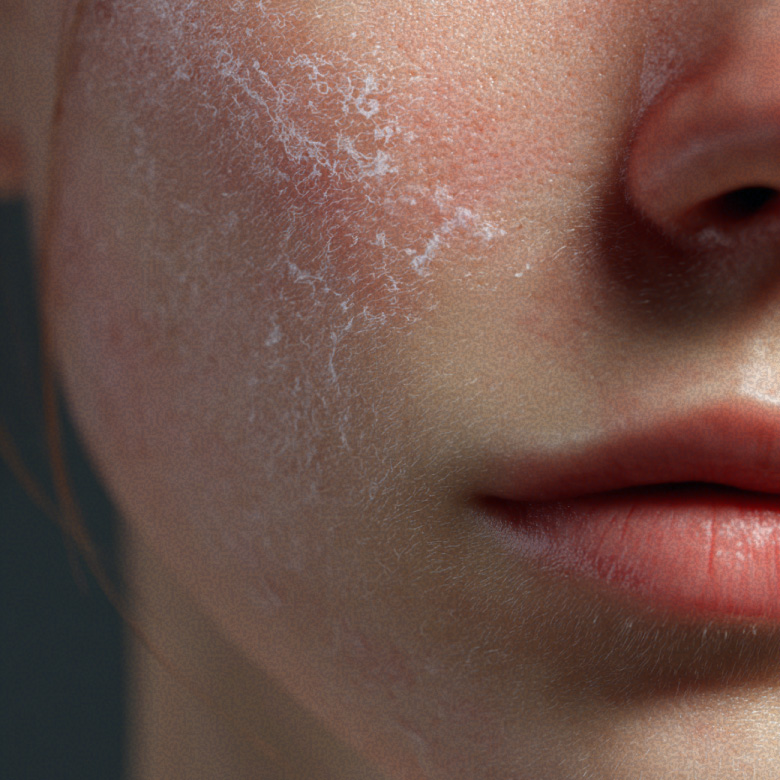
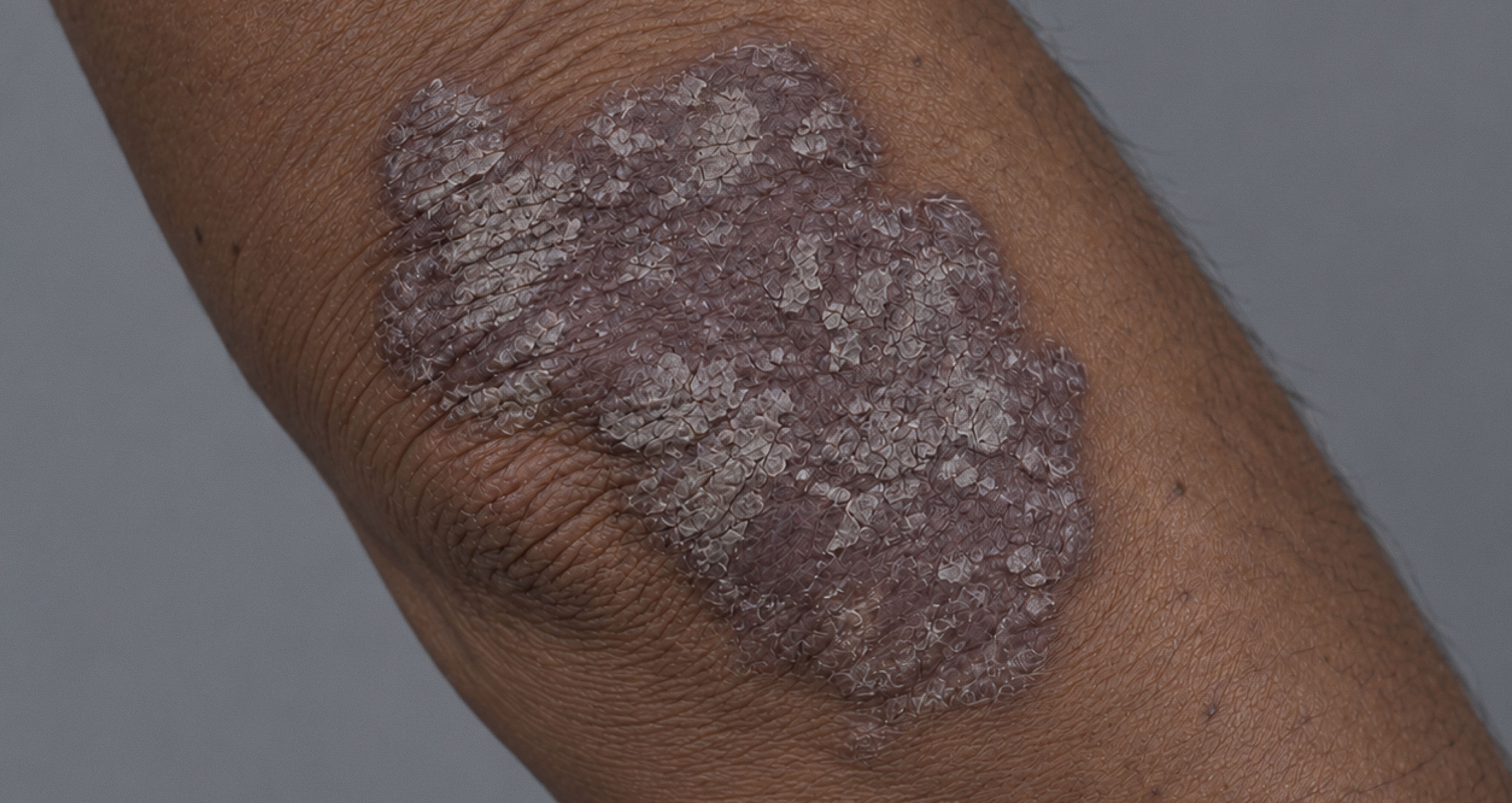
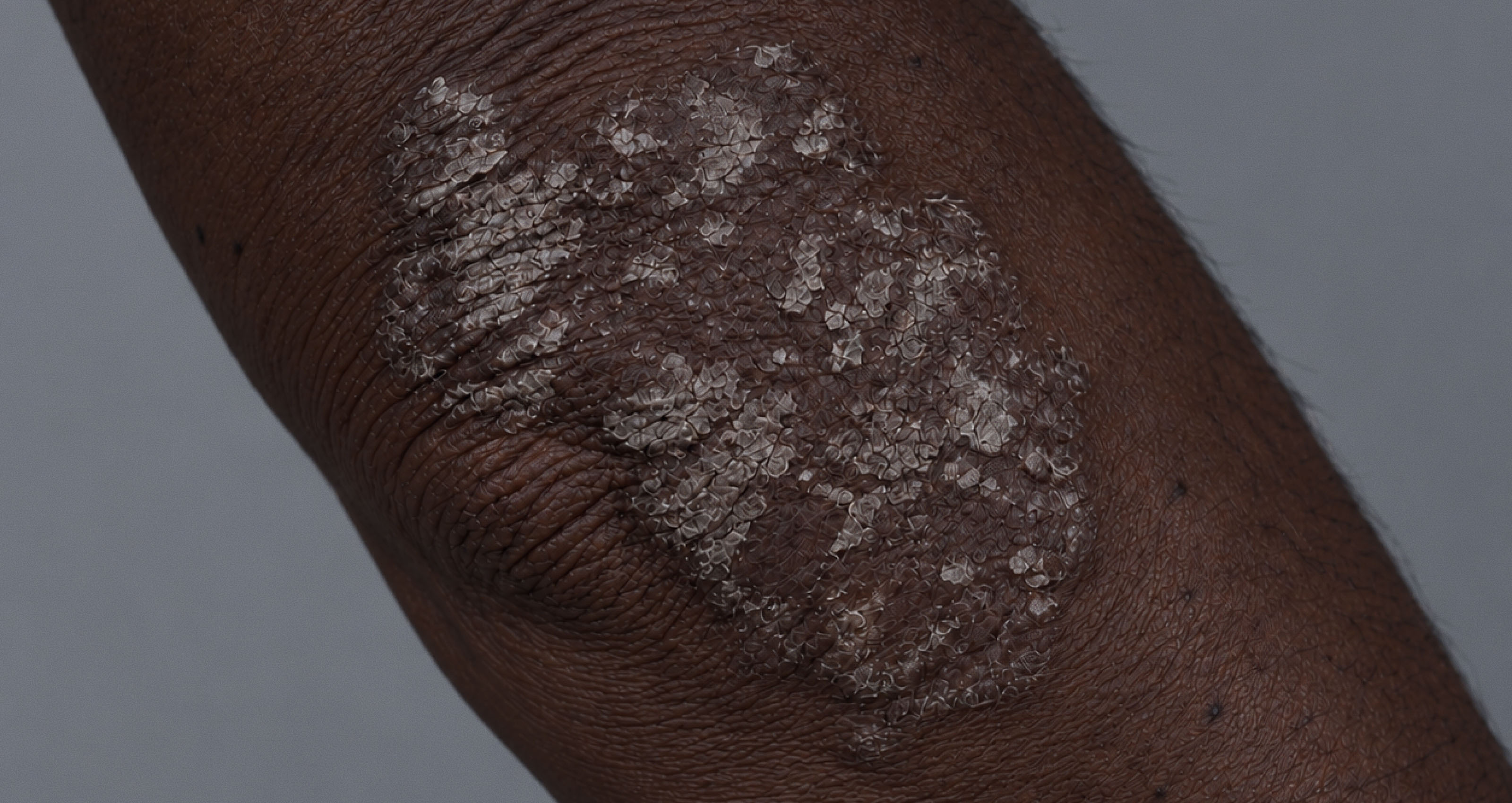
A skin image contains clinical findings.
A dermatologist is trained to
The scientific foundation of DermAssure's models.
Describe what you see.
How non-clinicians see a skin problem.
A description is the starting point.
The details shape the differential.
Confirmed by the dermatologist.
In clinical terms, if you can…
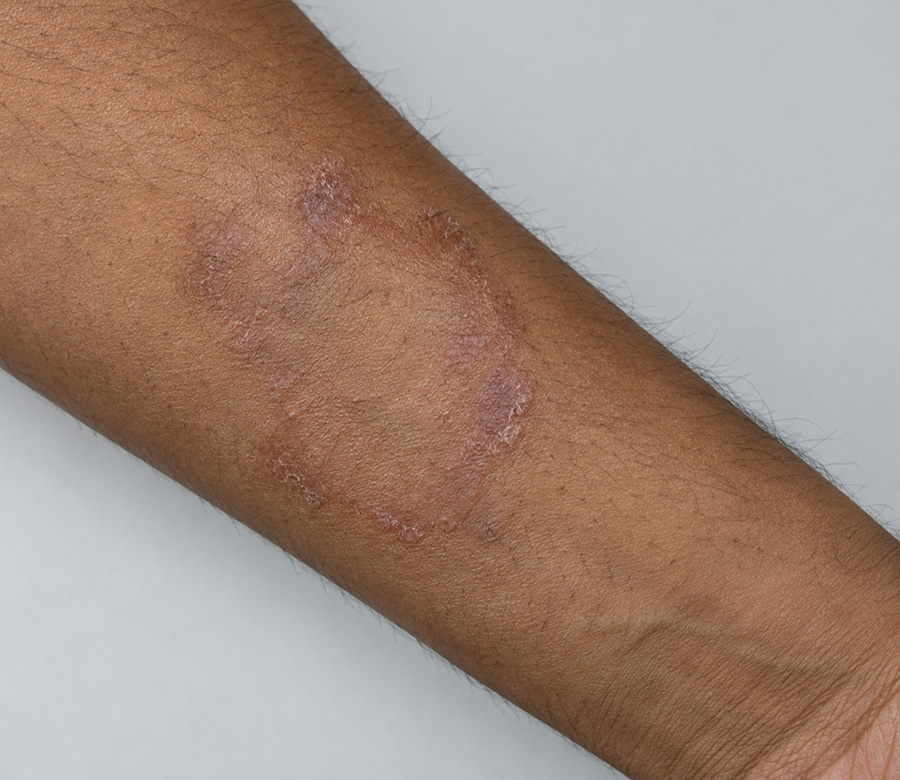
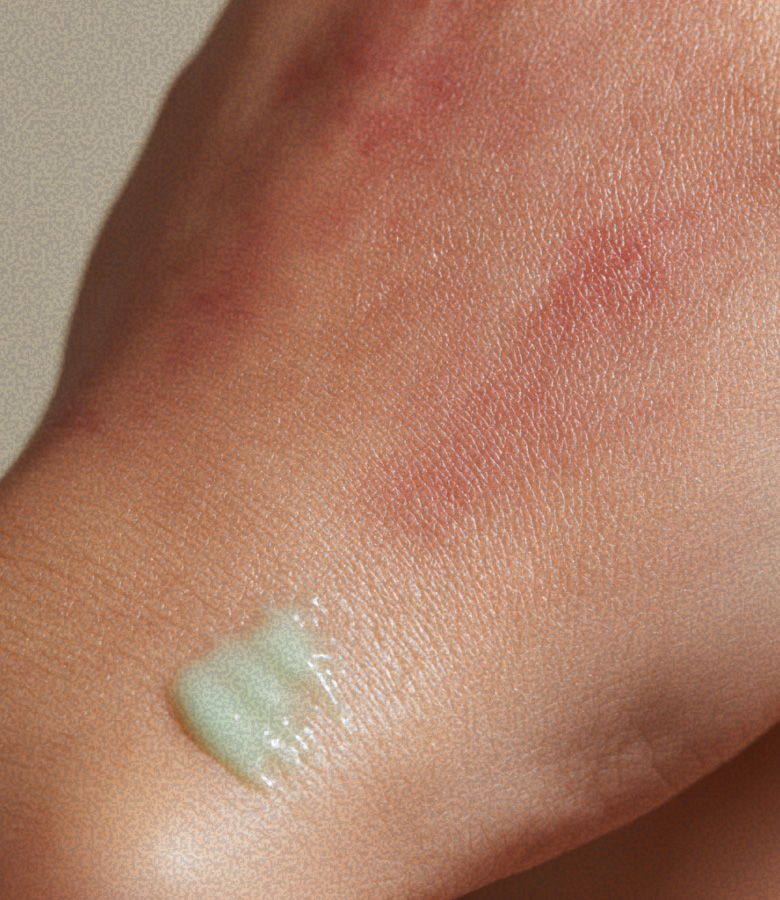
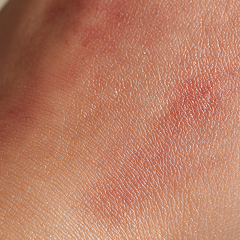
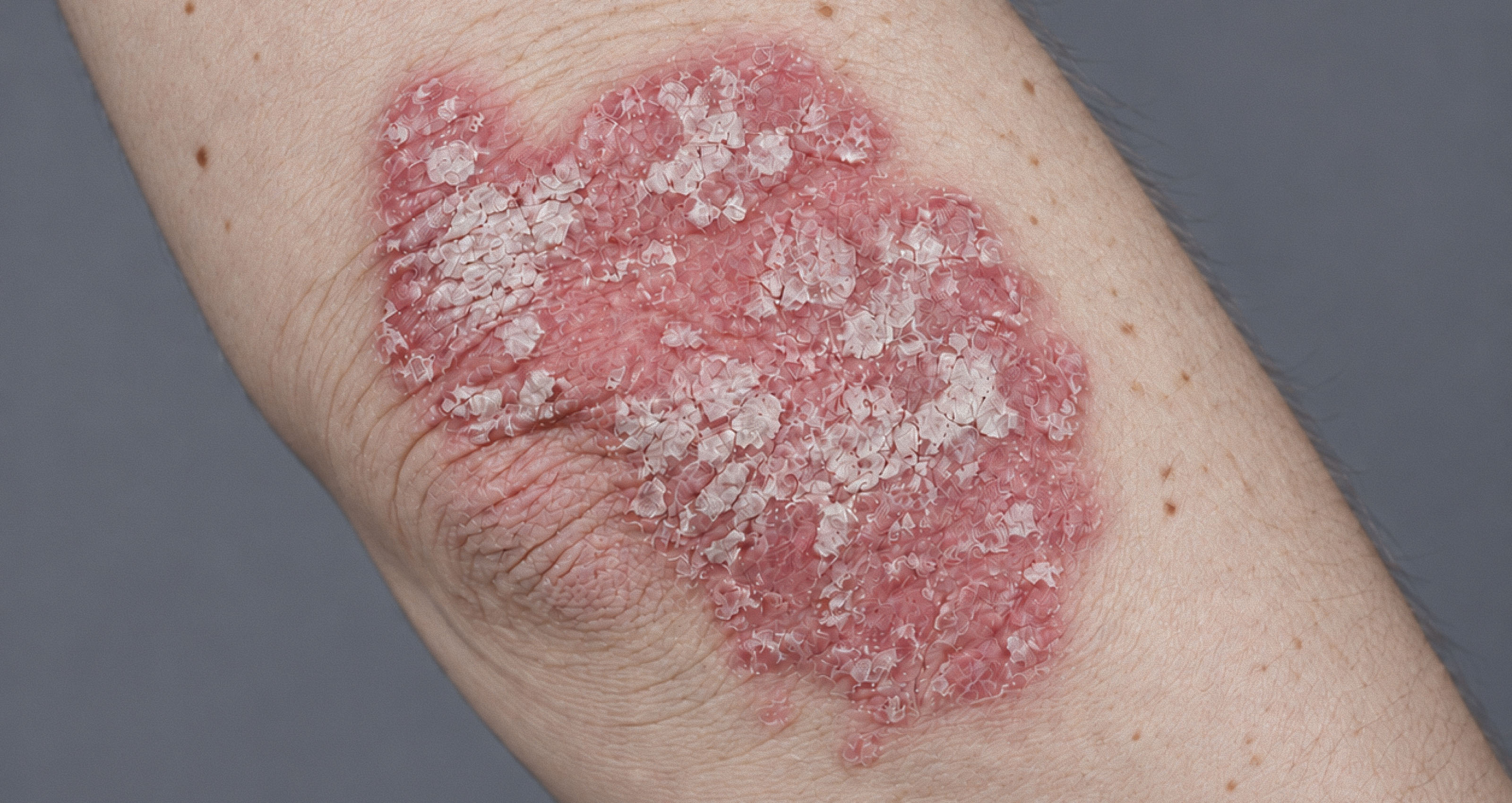
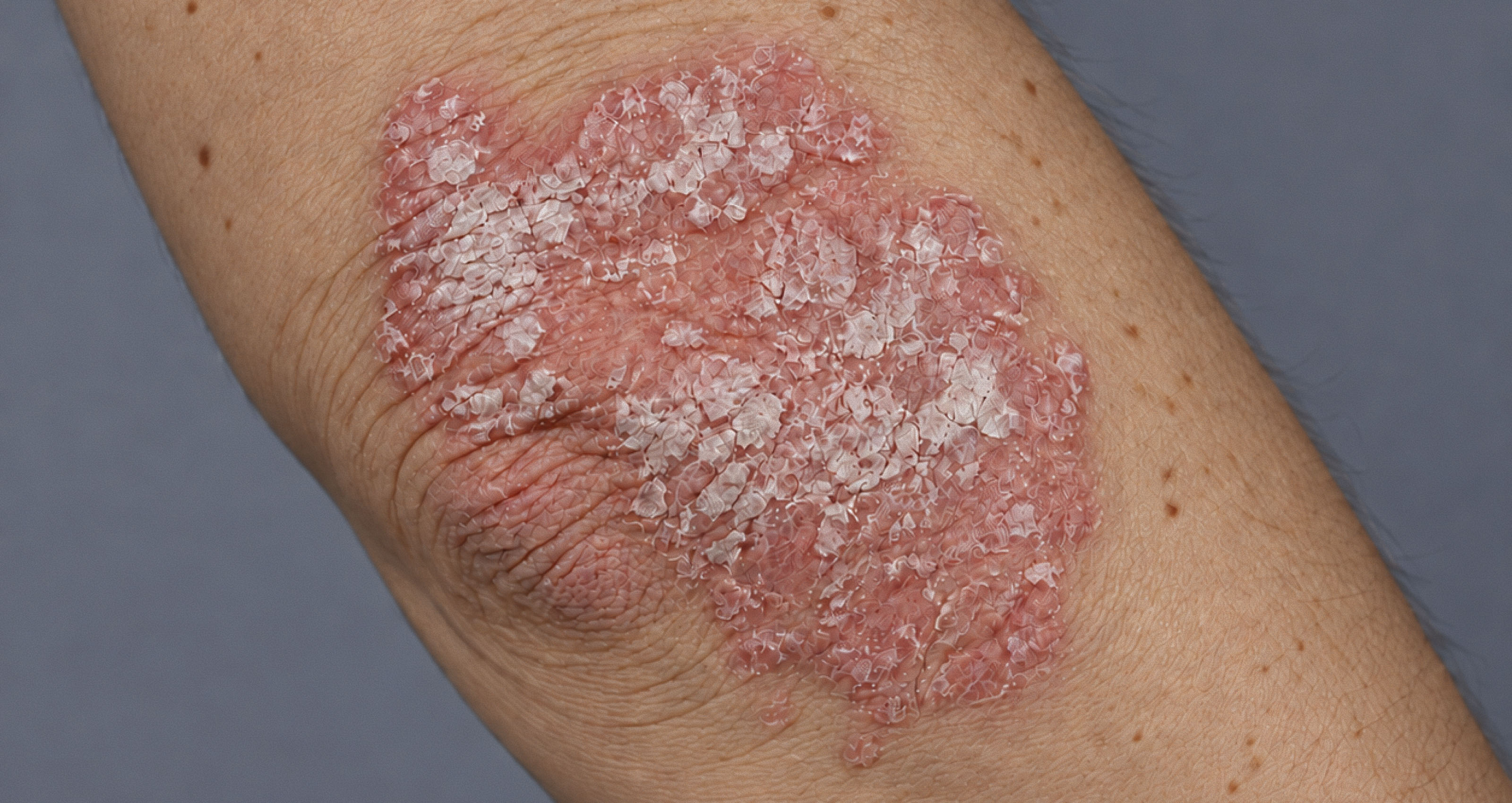
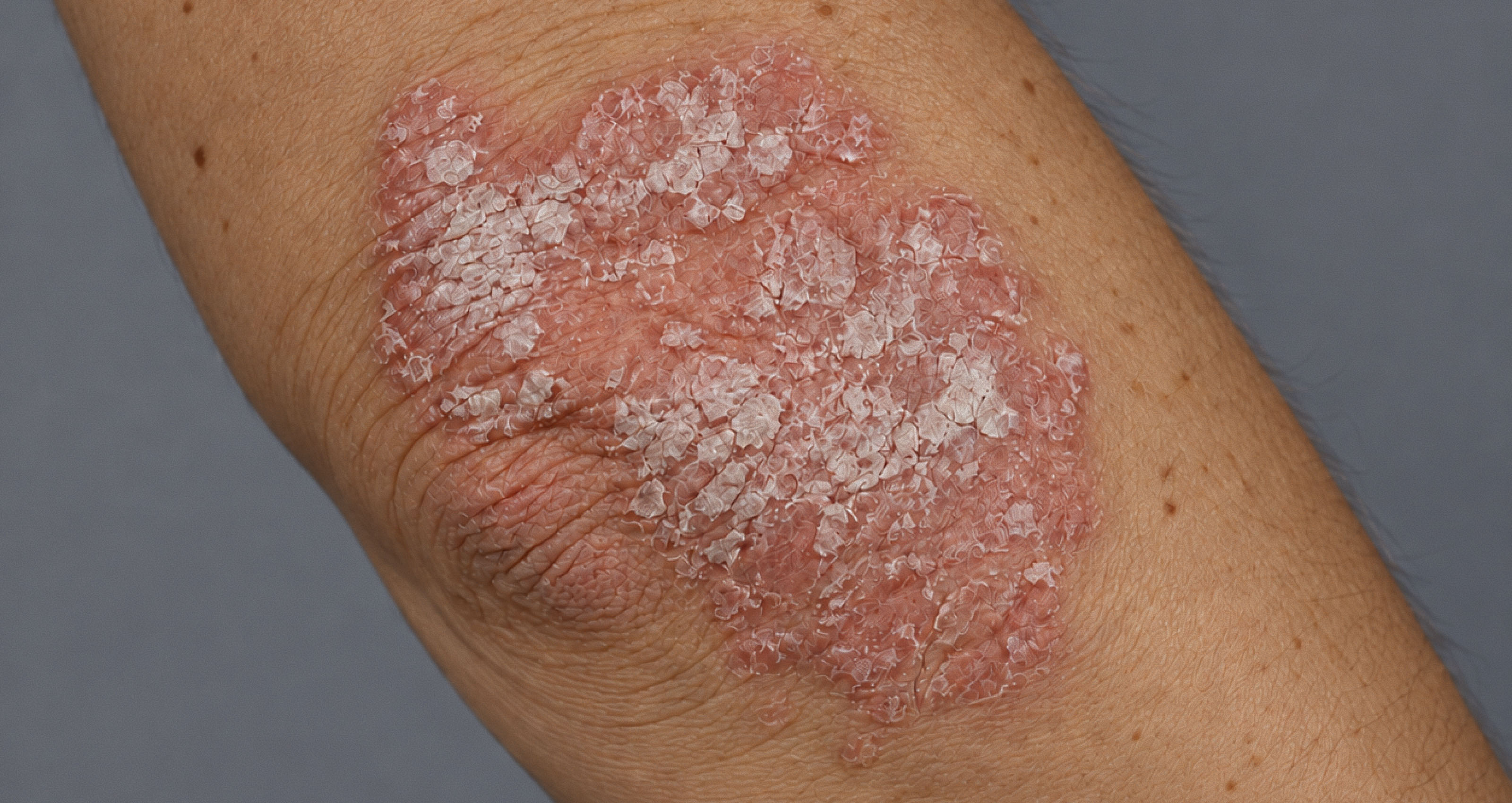
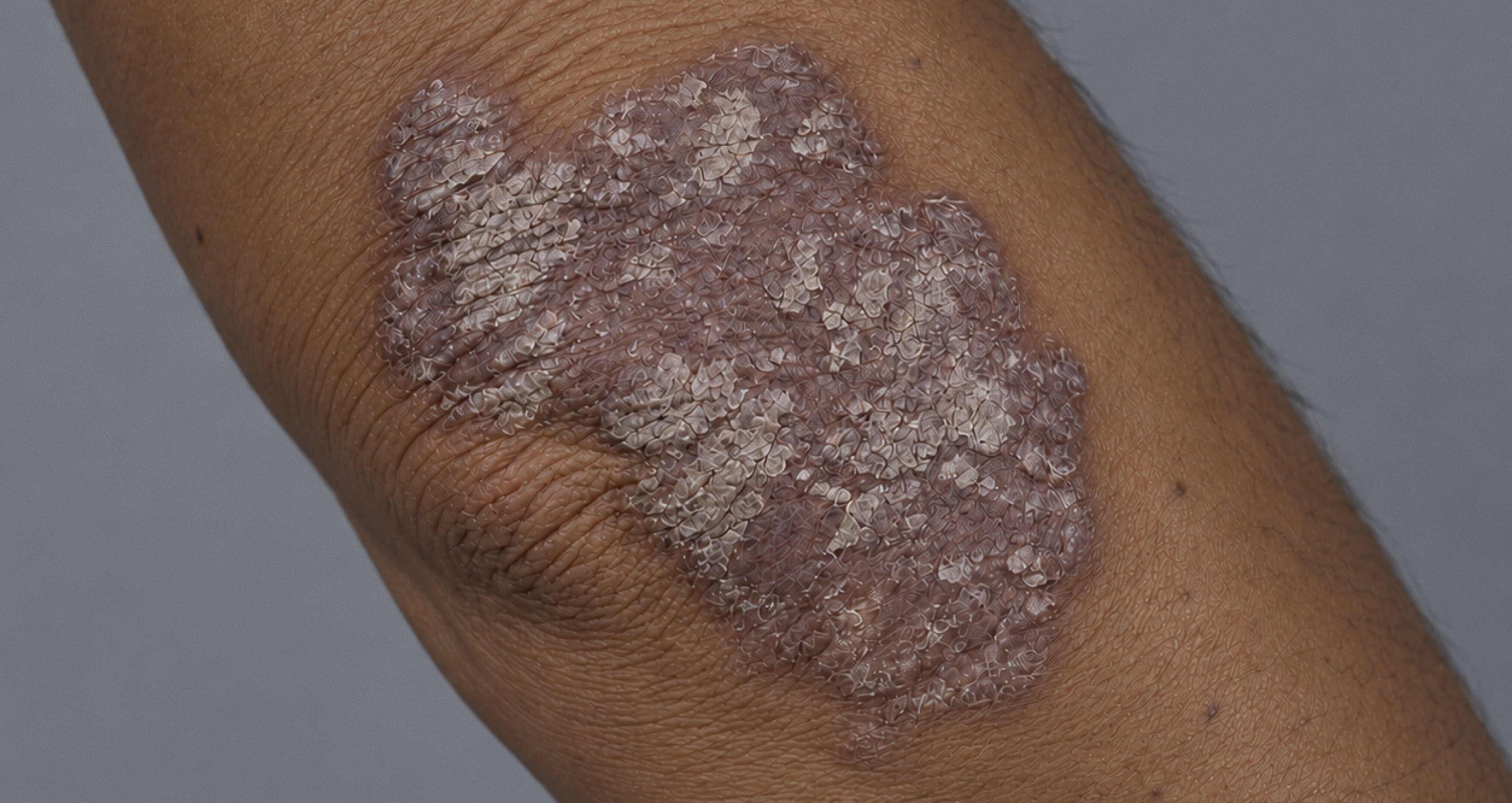
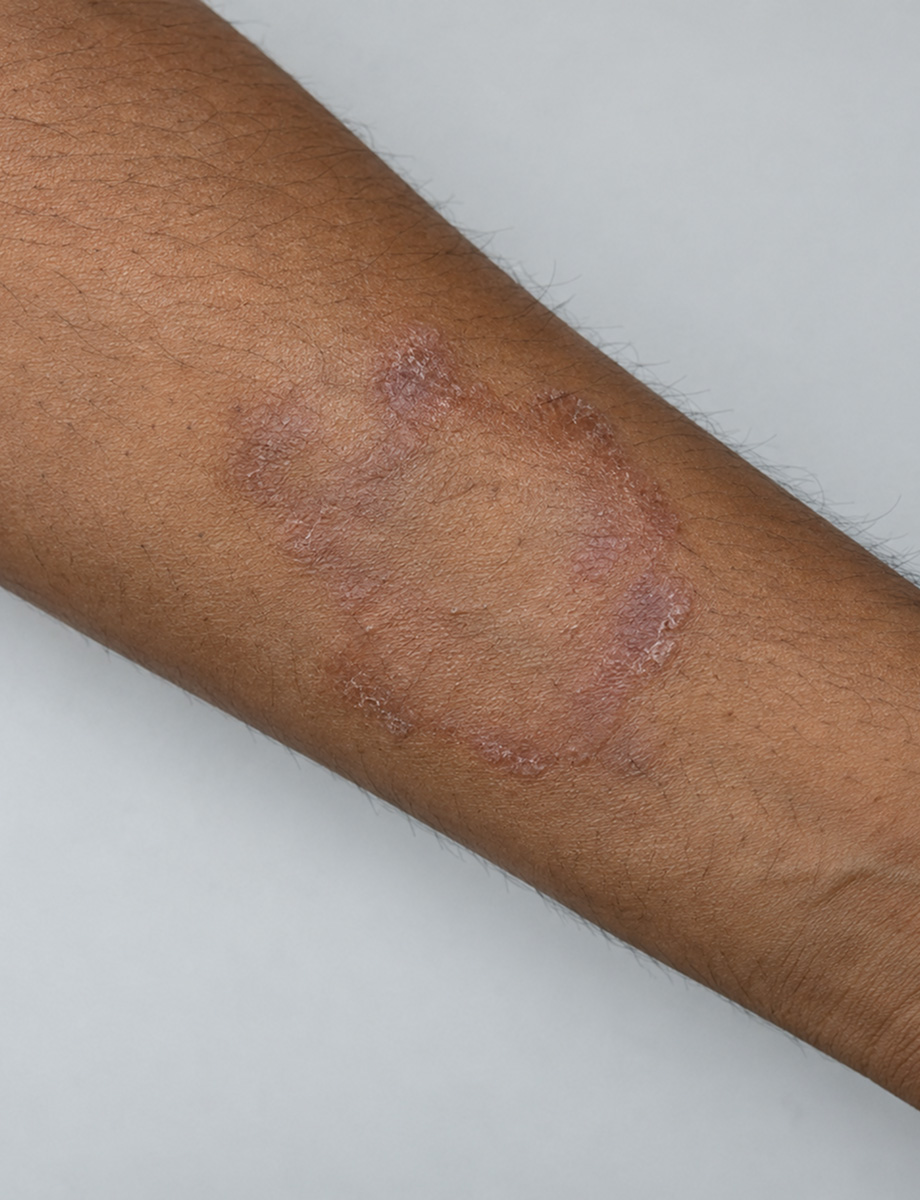
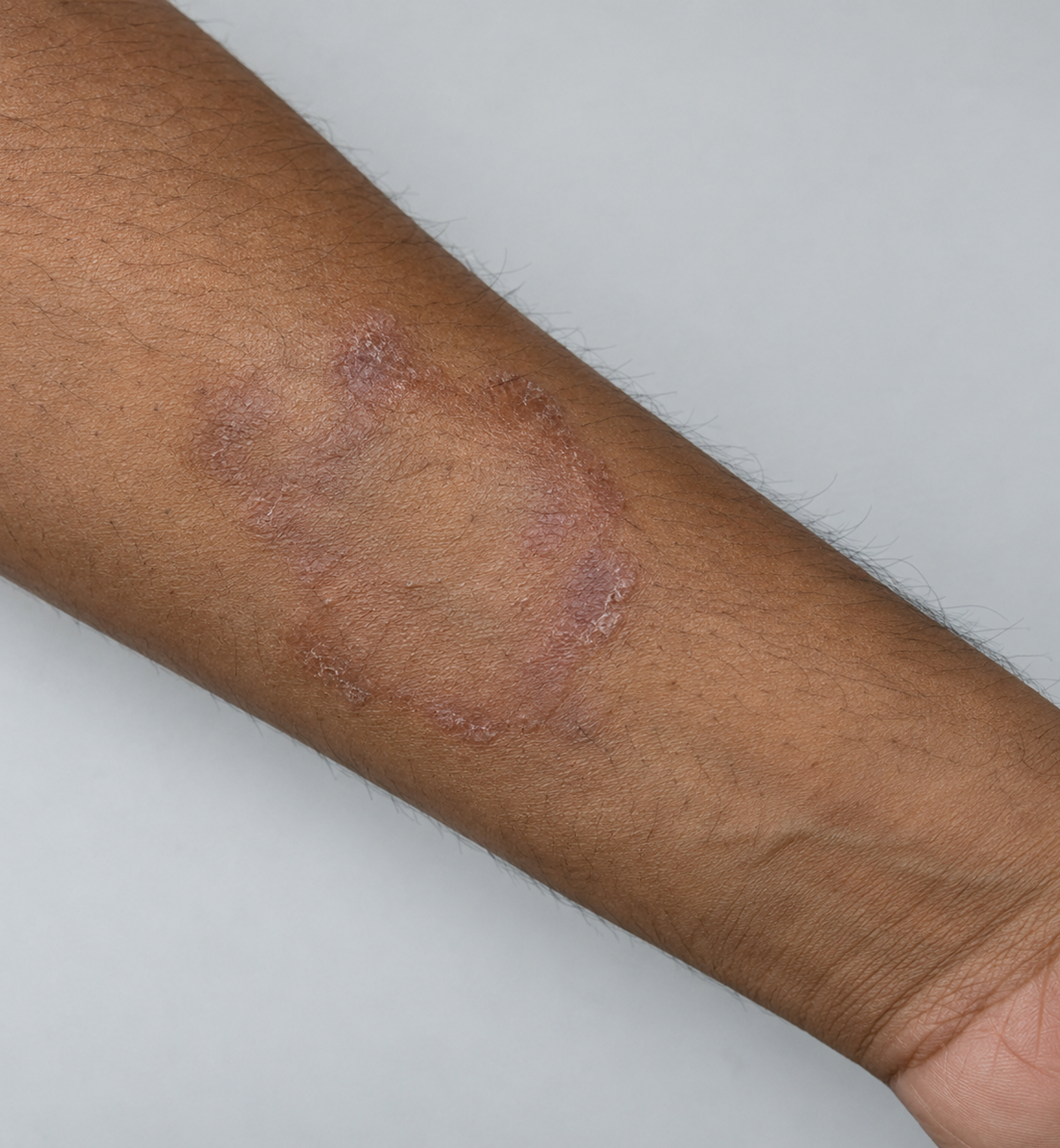
“A darker, rough-looking rash on the forearm.
Some areas look flaky.”
“The forearm shows an irregular reddish-brown rash with some scaling. Possibilities include eczema, a fungal infection, or contact dermatitis.”
“An irregular, partially annular hyperpigmented plaque on the forearm, with fine peripheral scale, uneven border definition, and relative central clearing.
No obvious ulceration or drainage is visible.”
Diagnosis
Tinea incognito
Dermatophyte infection altered by topical steroid use. Confirmed on KOH preparation.
Differential diagnosis
Beyond pixel matching
Frontier Models read the textbook.
Same images. Same clinical context.
Ask. Diagnose. Repeat.
Clinical validation study
207 diagnosis-labeled cases. SkinGPT 2.0 is the DermAssure adaptive intake agent running on Claude Fable 5.1, with 5 to 8 rounds of questions.
Comparison models received the image and a single prompt.
Training data
Proprietary, diagnosis-labeled skin images from four continents.
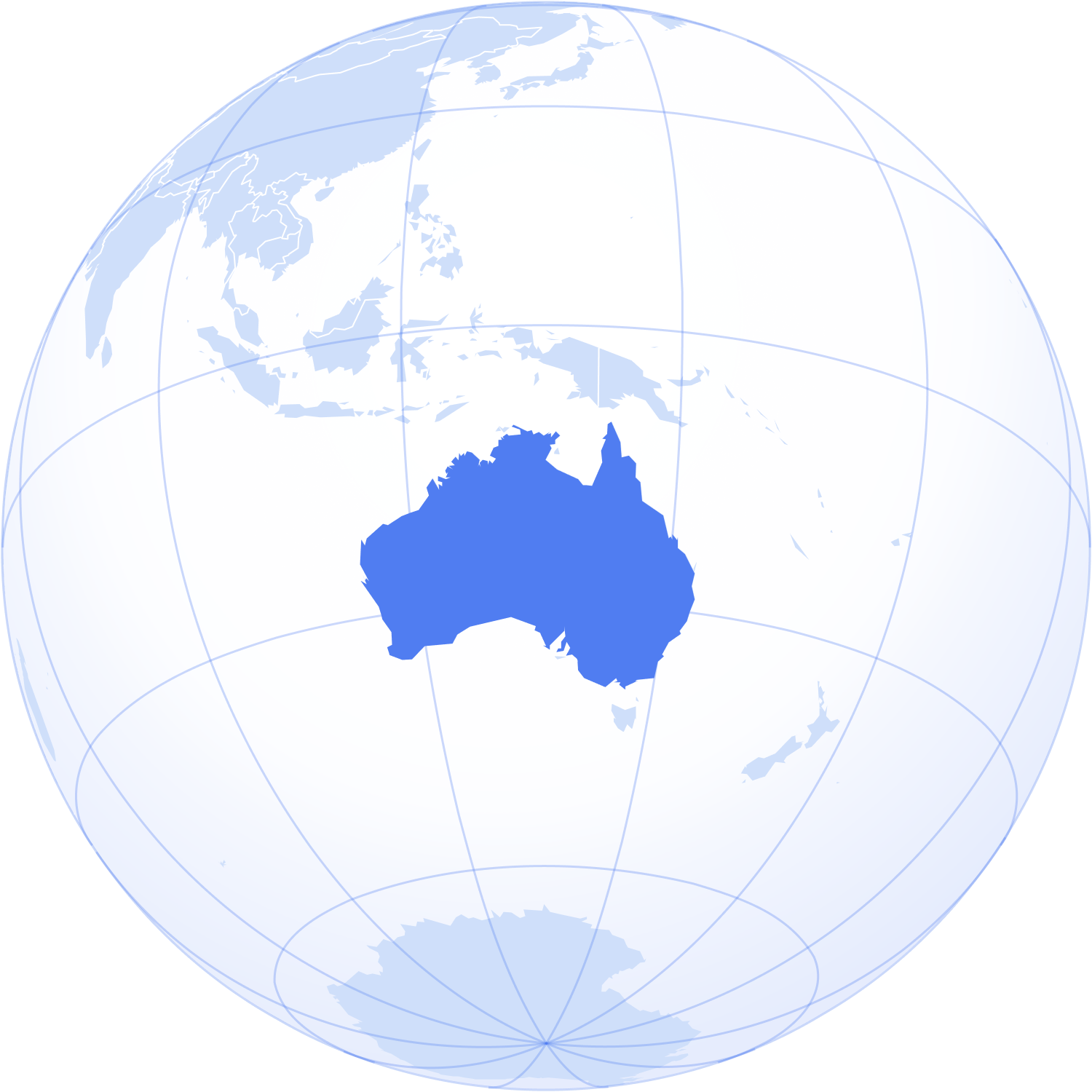
Australia
90,000
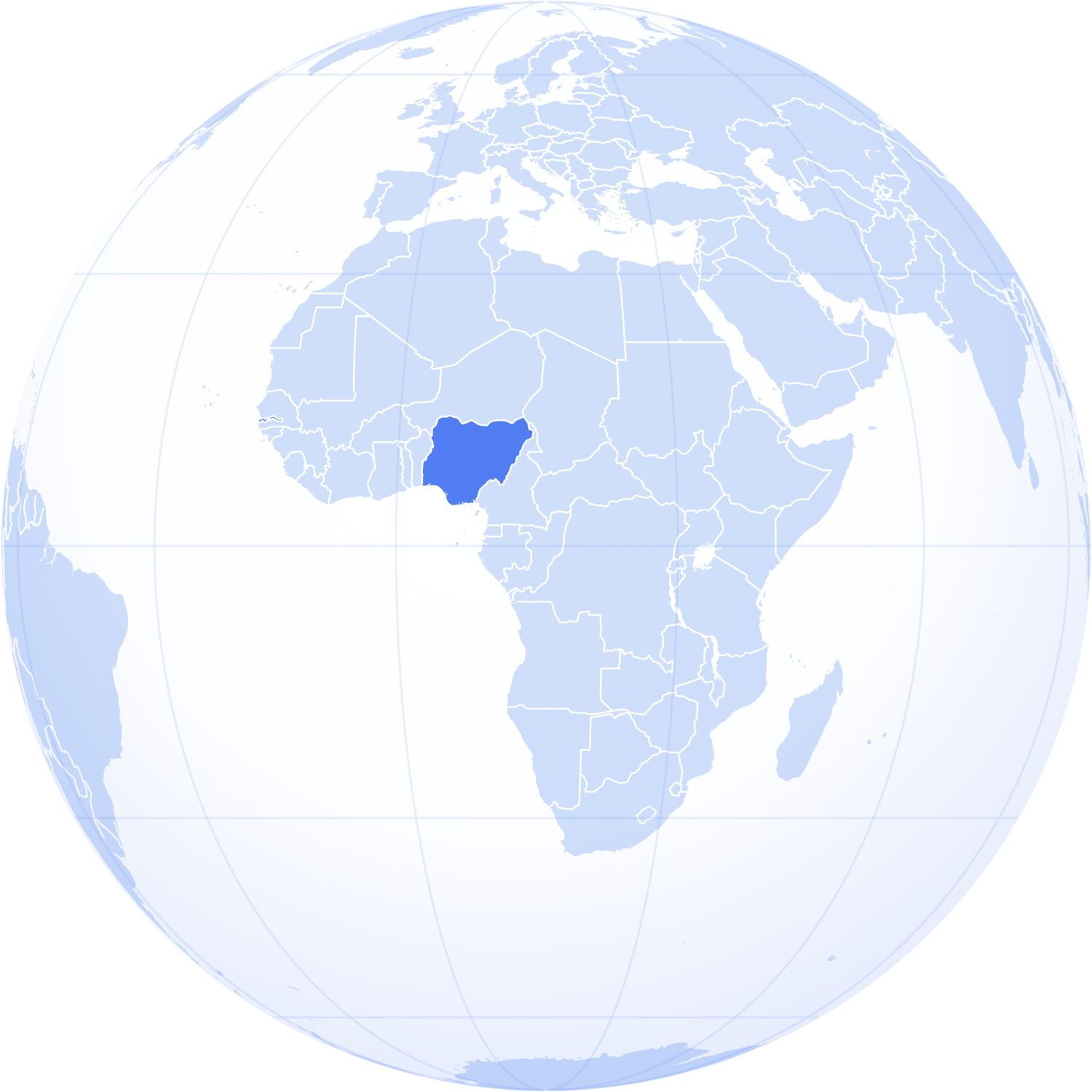
Nigeria
120,000
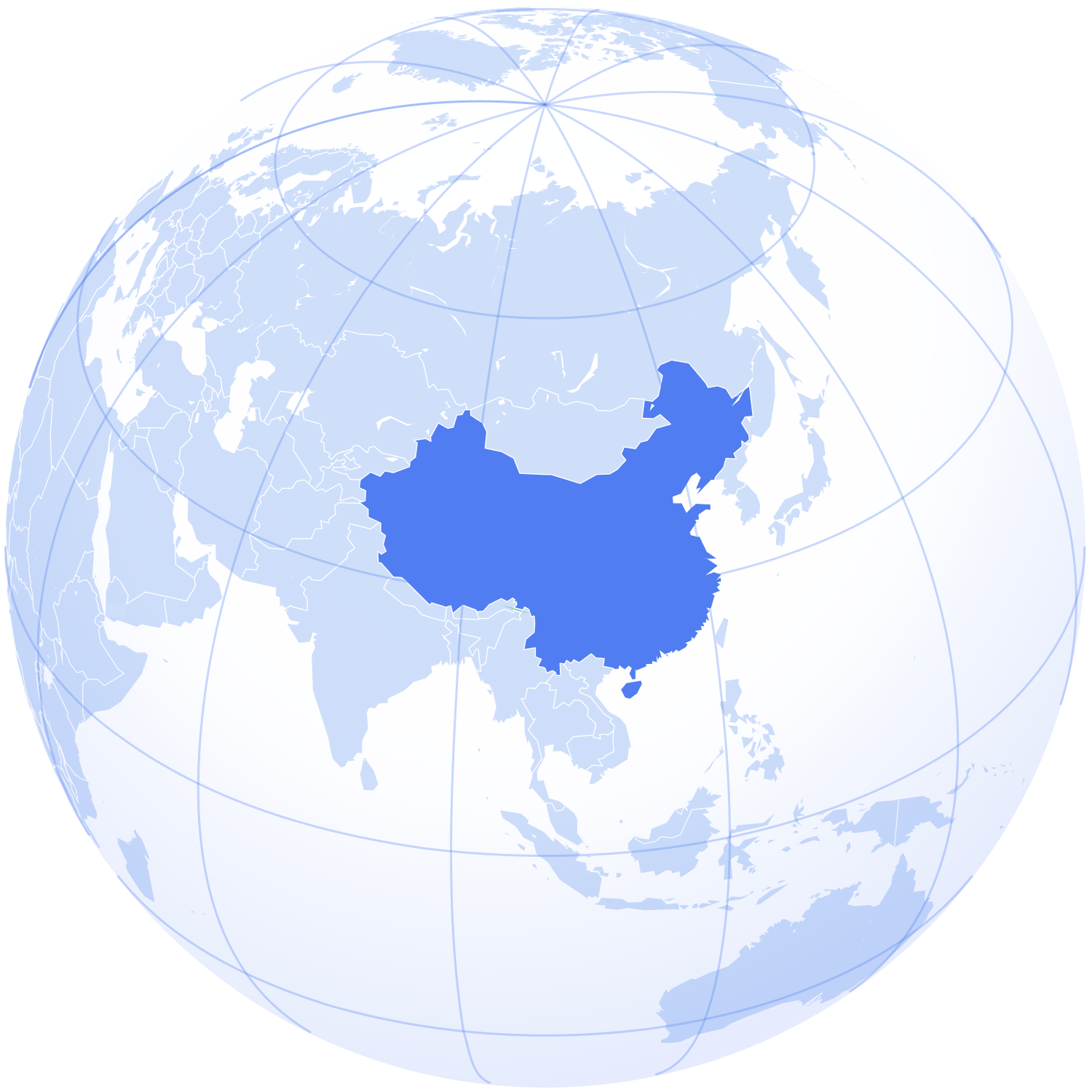
China
160,000
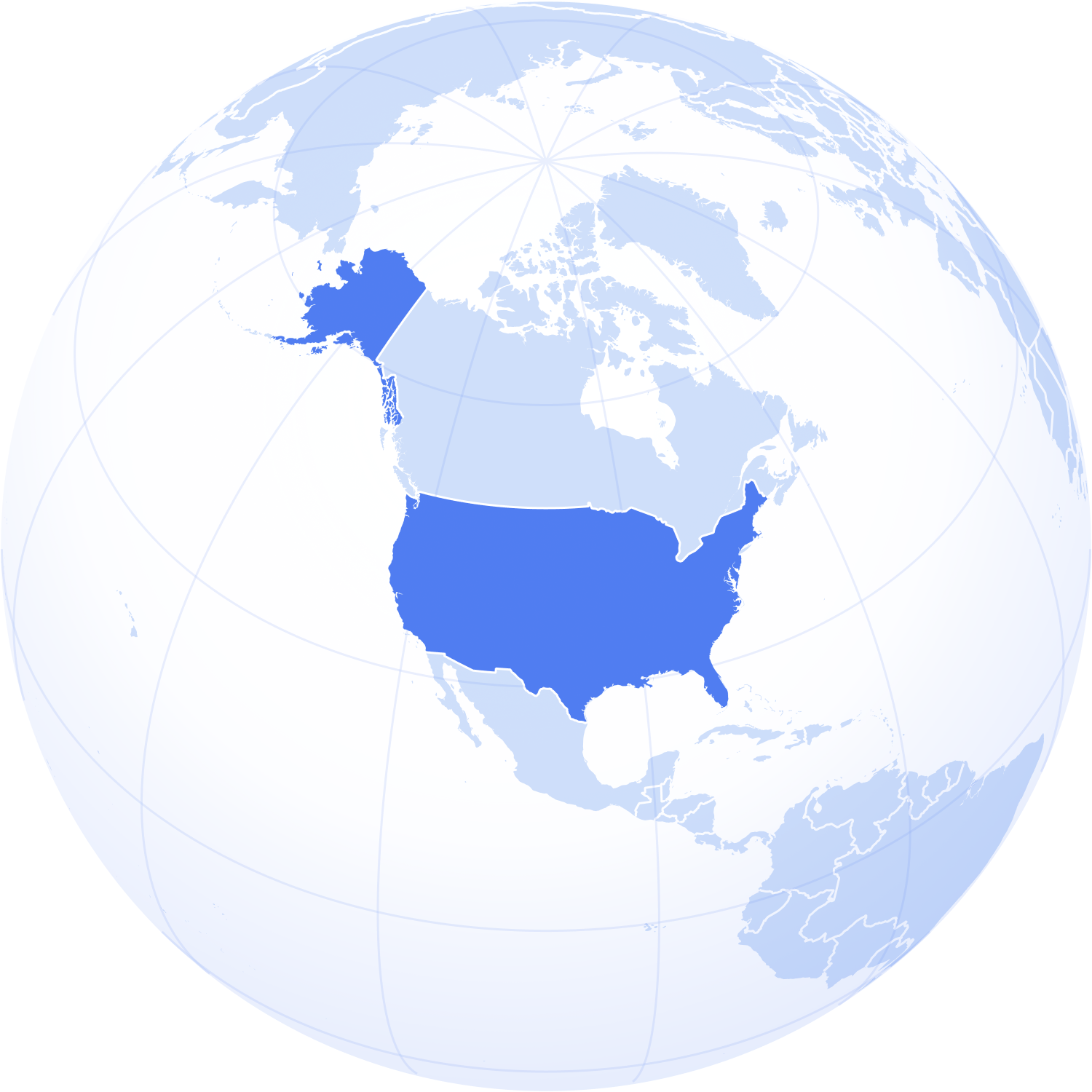
United States
200,000+
Our reasoning approach
Two proprietary models
Our Qwen-based LoRAs turn skin images into clinical findings. Those findings guide the questions, and every answer reshapes the differential.
dermatology-related diagnoses in US physician offices every year.
"Non-dermatology visits account for a slight majority of dermatologic diagnoses: a representative sample of U.S. outpatient visits." Dermatology Online Journal, 2022;28(2):14.
Join the waitlist